Custer County Dog Registration Information
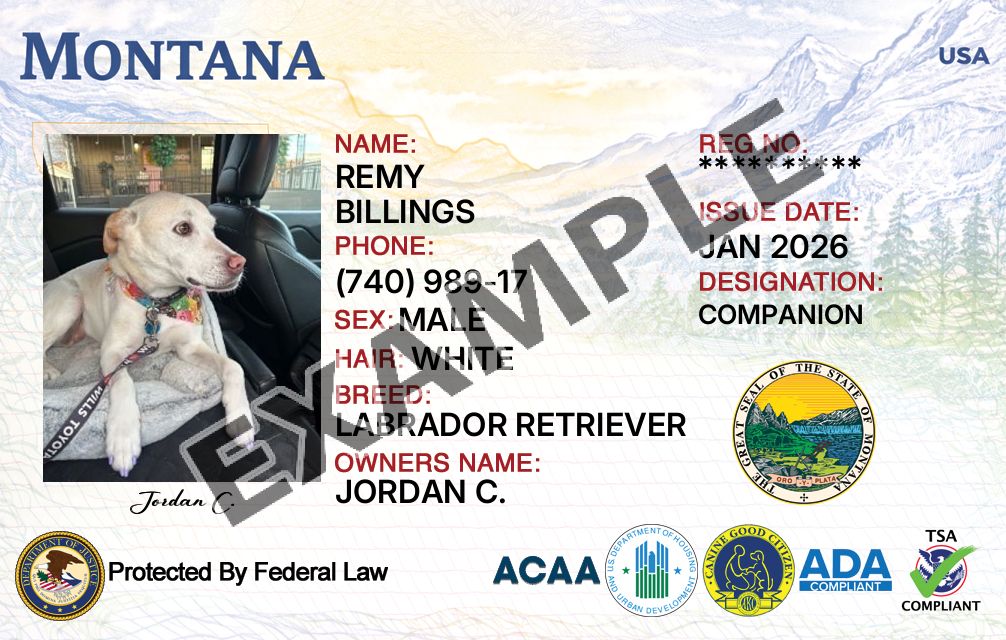
Service Dogs and Emotional Support Animals in Custer, Montana
If you’re searching for where do I register my dog in Custer County, Montana for my service dog or emotional support dog, the key is to separate two different ideas: (1) local dog licensing (often handled by a city office or local animal control) and (2) service dog or emotional support animal (ESA) status (which is not obtained through a single universal government “registry”).
Where to Register or License Your Dog in Custer County, Montana
In Custer County, dog licensing and animal control responsibilities can depend on whether you live inside a municipality (such as Miles City) or in an unincorporated area of the county. The offices below are official local government contacts that commonly serve residents needing animal control help or city licensing direction.
City of Miles City — Finance Office (City Clerk / Licensing Authority)
Miles City Police Department — Animal Control / Non-Emergency
Overview of Dog Licensing in Custer County, Montana
Dog licensing is local (city/county), not federal
When people ask where to register a dog in Custer County, Montana, they are usually referring to a local dog license (sometimes called a “dog tag”). A dog license is a local government requirement used to help identify owned dogs, support animal control services, and encourage rabies vaccination compliance.
Proof of rabies vaccination is commonly required
Many local licensing programs require a current rabies vaccination certificate from a veterinarian. Local ordinances may also reference additional vaccinations or standards. If you live in a municipality like Miles City, the city code indicates that licensing involves submitting the application and fee with a veterinarian’s certificate showing required vaccinations (including rabies). Requirements can change, so bring your most current vaccination paperwork when you apply or renew.
City limits vs. county areas can change what you must do
Custer County includes incorporated areas (such as Miles City) and unincorporated county areas. Some residents may need a city license; others may have different local requirements or enforcement. If you have a Miles City address but aren’t sure you’re inside city limits, confirm with the appropriate office before applying.
What You Need Before Registering a Dog
Common documents and details to gather
Requirements vary by jurisdiction, but these items are commonly requested when applying for or renewing a dog license in Custer County, Montana (especially within city limits):
- Rabies vaccination certificate (current and legible)
- Owner contact information (name, physical address, phone number)
- Dog description (breed, color/markings, sex, approximate age)
- Spay/neuter documentation (if applicable; may affect fees in some places)
- Payment method for licensing fee (amount and accepted methods can vary)
Service dog / ESA note
Even if your dog is a service dog or an emotional support animal, you may still be expected to comply with the same animal control dog license requirements that apply to other dogs in your jurisdiction, unless a specific local rule provides an exemption. If you believe an exemption applies, ask the licensing office what documentation they accept.
Steps to Register or License a Dog in Custer County, Montana
Step-by-step (typical process)
- Confirm your jurisdiction. Verify whether you live inside a city that issues its own dog licenses (for example, within Miles City limits) or whether another local authority applies.
- Gather required records. Bring your rabies vaccination certificate and any other documents your jurisdiction requests (often ID and dog details).
- Apply with the correct office. If you are in Miles City, the city’s licensing process references application through the city finance office.
- Pay the applicable fee. Fees and renewal timing vary. Ask the office how long a license is valid and whether there are penalties for late renewal.
- Keep the tag/record accessible. If a physical tag is issued, attach it to your dog’s collar/harness as directed. Keep a copy of the license and rabies paperwork for your records.
If you recently moved to Custer County
If you moved into Custer County or into a municipality within the county, ask the licensing office how soon you need to license your dog after establishing residency. Some local codes set timeframes for when a license must be obtained after acquiring a dog or after moving into city limits.
Service Dog Laws in Custer County, Montana
Service dogs are defined by training and disability-related work
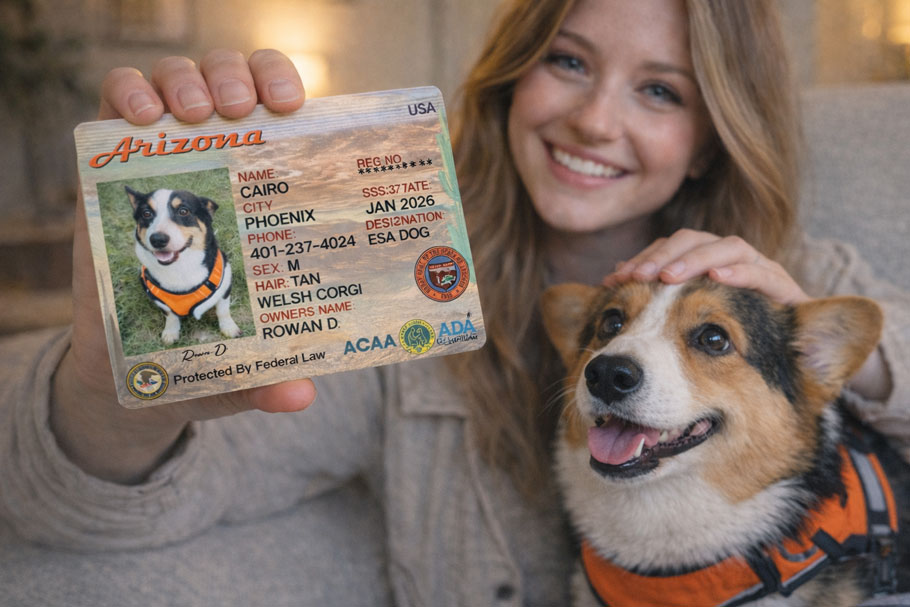
A service dog is generally a dog that is individually trained to do work or perform tasks for a person with a disability. The dog’s legal status comes from what the dog is trained to do and the handler’s disability-related need—not from a purchased ID card or “registration number.”
No universal government “service dog registry”
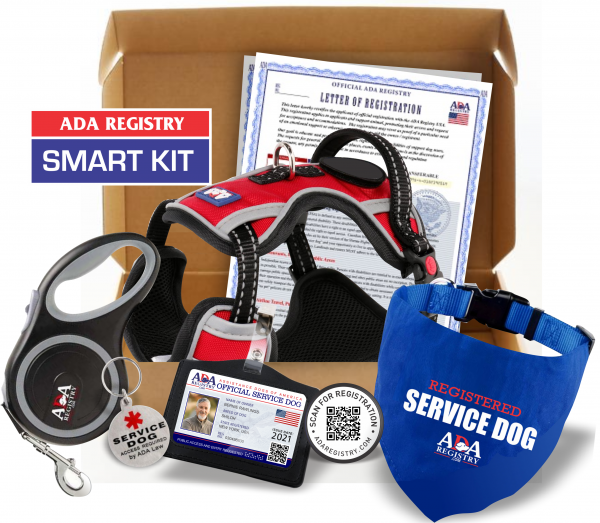
In practical terms, there is not one universal federal government registry that makes a dog a service dog. In public-access settings, what matters is whether the dog meets the legal definition and behaves appropriately in public. Local dog licensing (city/county) is separate from service dog status.
How this relates to a dog license in Custer County, Montana
A service dog may still need to follow local rules that apply to dogs generally (leash rules, vaccination requirements, nuisance rules, and—where applicable—local licensing/tag requirements). If you are asked about your dog’s status, focus on your dog’s training and tasks rather than “registration.”
Emotional Support Animal Rules in Custer County, Montana
What an emotional support animal (ESA) is
An emotional support animal is a companion animal that provides comfort or emotional support. ESAs are not the same as service dogs because they are not necessarily trained to perform disability-related tasks.
ESA status is not the same as public-access rights
An ESA designation does not automatically grant the same public-access privileges as a service dog. ESA rules most commonly arise in housing contexts, where documentation from a qualified health professional may be relevant.
ESA and dog licensing requirements in Custer County, Montana
Even if your dog is an ESA, you typically still follow the same local animal control and licensing rules that apply to other dogs in your area. If you’re trying to determine whether any local licensing fee waiver or exception applies, the safest approach is to ask the local licensing office directly what their current policy is.
Dog License vs. Service Dog vs. Emotional Support Animal (Comparison)
| Category | Dog License (Local) | Service Dog | Emotional Support Animal (ESA) |
|---|---|---|---|
| What it is | A local government license/tag for a dog (often city-based), used for identification and compliance. | A dog individually trained to perform tasks or work for a person with a disability. | An animal that provides emotional comfort/support; not necessarily task-trained. |
| Who issues it | Local government office (city/county licensing authority) and/or designated animal services. | No universal government registry; status is based on training and disability-related need. | No universal registry; status is typically supported by documentation for specific contexts (commonly housing). |
| Common documentation | Rabies vaccination certificate; owner/contact details; possibly spay/neuter proof. | Not defined by an ID card; may involve training records (not always required by law) and appropriate behavior. | Documentation may be requested in limited contexts; not a license or tag that replaces local licensing. |
| Public access | No special public-access rights; it’s a compliance requirement. | Generally permitted in many public places when meeting legal definition and behavior standards. | Does not automatically grant access to public places where pets are restricted. |
| Does it replace local licensing? | N/A | No. Service dog status is separate from local dog licensing rules. | No. ESA status is separate from local dog licensing rules. |
Tip: If your goal is compliance, think of these as three separate lanes: (1) local dog license, (2) service dog legal status, (3) ESA status for limited contexts.
Frequently Asked Questions
Where do I register my dog in Custer County, Montana if I live in Miles City?
For many residents inside Miles City limits, dog licensing is handled through the city’s licensing authority referenced as the city finance office. Use the office details in the section above to contact the City of Miles City Finance Office and confirm current requirements, fees, and renewal timing.
Do I need a dog license if my dog is a service dog?
Often, yes—service dog status does not automatically replace local licensing requirements. The best approach is to ask the local licensing office whether there are any exemptions and what documentation is accepted.
Do emotional support animals have a special registration number?
There isn’t one universal government registration number for ESAs. ESA status is typically supported by appropriate documentation for specific situations (commonly housing) and is separate from a local dog license.
What vaccinations are usually required for a dog license?
A current rabies vaccination certificate is commonly required. Some jurisdictions may reference additional vaccination standards. Bring your rabies paperwork when you apply and ask the licensing office if anything else is needed.
What if I live outside city limits in Custer County?
Requirements can differ by jurisdiction. If you are outside Miles City limits or in another municipality, call the official offices listed above and ask which authority handles dog licensing and animal control for your address.
What You May Need
-
Proof of rabies vaccinationBring the vaccination certificate from your veterinarian.
-
Proof of residencySome offices may verify you live within their jurisdiction.
-
IdentificationA driver’s license or other ID may be requested.
-
Spay or neuter documentation (if applicable)May affect fees or eligibility in some jurisdictions.
-
Payment for licensing feeAsk what payment methods are accepted.
Local keyword focus (for clarity)
This page is designed to help residents searching for: where do i register my dog in Custer County, Montana for my service dog or emotional support dog, including related needs such as dog licensing requirements Custer County, Montana, animal control dog license Custer County, Montana, and where to register a dog in Custer County, Montana.
Register A Dog In Other Montana Counties
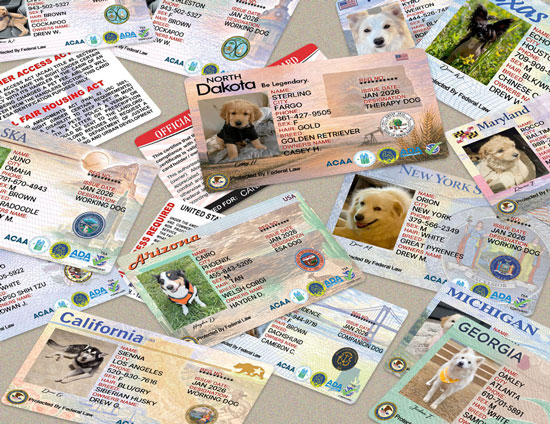
Select your county below to get started with your dog’s ID card. Requirements and license designs may vary by county, so choose your location to see the correct options and complete your pup’s registration.
- Beaverhead County Dog Registration
- Big Horn County Dog Registration
- Blaine County Dog Registration
- Broadwater County Dog Registration
- Carbon County Dog Registration
- Carter County Dog Registration
- Cascade County Dog Registration
- Chouteau County Dog Registration
- City of Anaconda County Dog Registration
- City of Butte County Dog Registration
- Daniels County Dog Registration
- Dawson County Dog Registration
- Deer Lodge County Dog Registration
- Fallon County Dog Registration
- Fergus County Dog Registration
- Flathead County Dog Registration
- Gallatin County Dog Registration
- Garfield County Dog Registration
- Glacier County Dog Registration
- Golden Valley County Dog Registration
- Granite County Dog Registration
- Hill County Dog Registration
- Jefferson County Dog Registration
- Judith Basin County Dog Registration
- Lake County Dog Registration
- Lewis and Clark County Dog Registration
- Liberty County Dog Registration
- Lincoln County Dog Registration
- Madison County Dog Registration
- McCone County Dog Registration
- Meagher County Dog Registration
- Mineral County Dog Registration
- Missoula County Dog Registration
- Musselshell County Dog Registration
- Park County Dog Registration
- Petroleum County Dog Registration
- Phillips County Dog Registration
- Pondera County Dog Registration
- Powder River County Dog Registration
- Powell County Dog Registration
- Prairie County Dog Registration
- Ravali County Dog Registration
- Richland County Dog Registration
- Roosevelt County Dog Registration
- Rosebud County Dog Registration
- Sanders County Dog Registration
- Sheridan County Dog Registration
- Silver Bow County Dog Registration
- Stillwater County Dog Registration
- Sweet Grass County Dog Registration
- Teton County Dog Registration
- Toole County Dog Registration
- Treasure County Dog Registration
- Valley County Dog Registration
- Wheatland County Dog Registration
- Wibaux County Dog Registration
- Yellowstone County Dog Registration